

Ultimate Guide to Hybrid Inverters: Maximize Your Solar Energy Efficiency
📅 February 04, 2026 ⏱️ 12 min read 📁 Hybrid Inverters
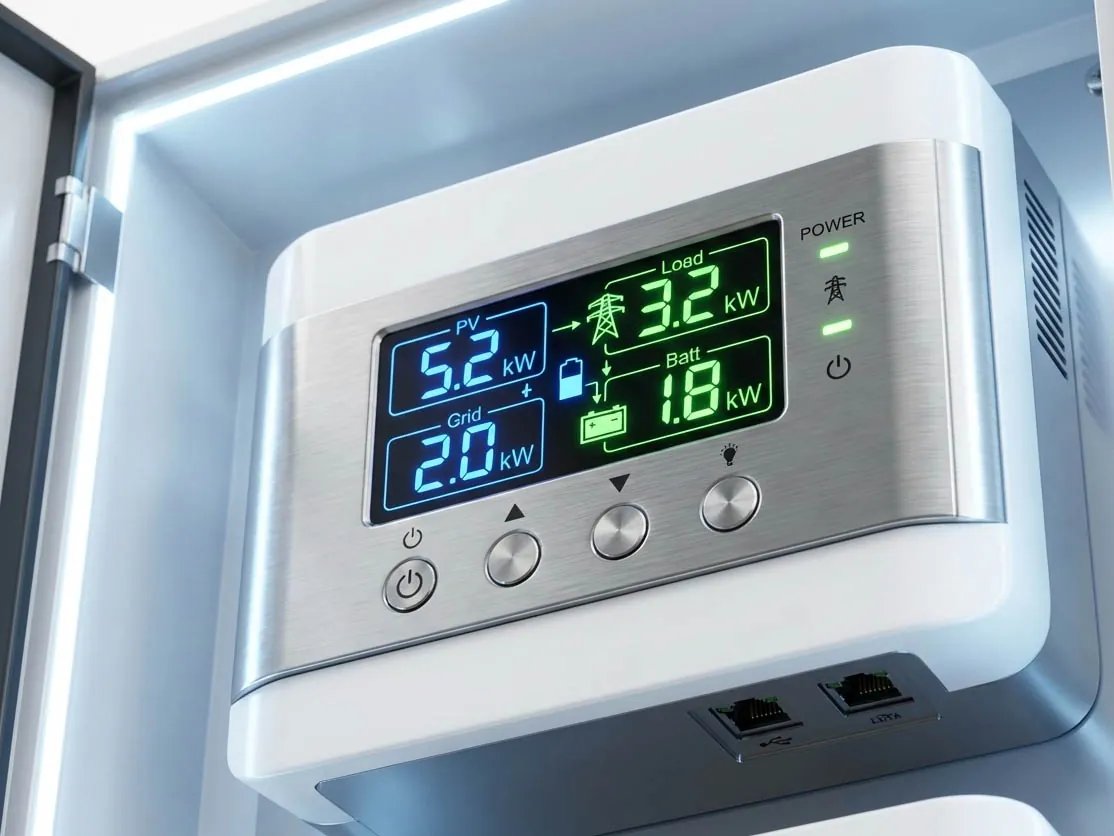
Table of Contents
- Introduction
- Understanding the Basics
- Key Benefits and Advantages
- Types and Applications
- Selection Criteria
- Installation and Best Practices
- Maintenance and Troubleshooting
- Cost Considerations
- Future Trends
- Conclusion
Introduction
📋 Quick Overview
Key benefits of hybrid inverter include improved energy efficiency, enhanced system reliability, advanced safety features, and long-term cost savings.
In today’s rapidly evolving electrical and energy landscape, hybrid inverter technology plays a crucial role in efficient power management. Whether you’re a homeowner looking to optimize your energy consumption or a business seeking reliable power solutions, understanding hybrid inverter is essential for making informed decisions.
This comprehensive guide will walk you through everything you need to know about hybrid inverter, from basic principles to advanced applications, helping you maximize efficiency and ensure safety in your electrical systems.
Understanding the Basics
A hybrid inverter is an advanced power conversion device that combines the capabilities of both grid-tied and off-grid inverters into a single, versatile unit. Unlike traditional inverters that can only work in one mode, hybrid inverters can intelligently manage multiple power sources simultaneously.
At its core, a hybrid inverter performs three essential functions:
It converts DC power from solar panels into AC power for your home or business, it manages energy storage by charging and discharging batteries efficiently, and it intelligently switches between grid power, solar power, and battery power to optimize energy usage.
The key difference between hybrid inverters and traditional inverters lies in their ability to work with battery storage systems. While traditional inverters either export excess energy to the grid or shut down during power outages, hybrid inverters store excess energy in batteries for later use and can continue operating even when the grid is down.

Key Benefits and Advantages
Investing in a high-quality hybrid inverter offers numerous benefits for both residential and commercial applications:
The primary advantage is energy independence. Hybrid inverters allow you to store excess solar energy during the day and use it during peak hours or at night, significantly reducing your reliance on the grid and protecting you from rising electricity costs.
Another crucial benefit is backup power. Unlike grid-tied systems that shut down during power outages, hybrid inverters can seamlessly switch to battery power, ensuring your critical appliances keep running when you need them most.
Hybrid inverters also offer cost savings through load shifting. By storing energy when electricity rates are low and using it when rates are high, you can optimize your energy consumption and reduce your monthly electricity bills.
Enhanced Performance
Modern hybrid inverter technology significantly improves performance, reducing operational costs and environmental impact. By optimizing power flow and minimizing losses, these systems help you get more value from every kilowatt-hour of solar energy you generate.
Improved Reliability
Hybrid inverter solutions are engineered for durability and long-term performance. With proper maintenance, they can operate flawlessly for 10-15 years or more, reducing downtime and maintenance expenses while providing consistent power output.
Advanced Safety Features
Safety is paramount in electrical systems. Today’s hybrid inverters incorporate multiple protection mechanisms, including overload protection, short-circuit protection, ground fault detection, and temperature monitoring to ensure safe and reliable operation.
Types and Applications
Hybrid inverters come in various configurations to suit different needs and applications. Understanding the different types will help you choose the right system for your specific requirements.
Residential Hybrid Inverters are designed for homes and typically range from 3kW to 10kW. They’re ideal for homeowners who want to maximize their solar energy usage and have backup power during grid outages.
Commercial Hybrid Inverters are built for larger-scale applications, ranging from 10kW to several megawatts. These systems often include advanced monitoring and management features suited for business operations.
Three-Phase Hybrid Inverters are designed for properties with three-phase electrical systems, commonly found in larger homes, commercial buildings, and industrial facilities. They provide balanced power distribution across all three phases.

Residential Applications
In residential settings, hybrid inverters are commonly used to power entire homes during grid outages, reduce electricity bills through energy storage, and enable off-grid capabilities for remote properties.
Commercial Applications
Businesses use hybrid inverters to ensure business continuity during power outages, reduce peak demand charges through load management, and meet sustainability goals by maximizing renewable energy usage.
Industrial Applications
Industrial facilities employ hybrid inverters for critical power backup, peak shaving to reduce demand charges, and integration with existing energy management systems for comprehensive power optimization.
Selection Criteria
Choosing the right hybrid inverter requires careful consideration of several factors. By evaluating your specific needs and understanding the key specifications, you can select a system that delivers optimal performance and value.
Power Rating is one of the most critical factors. The inverter’s power rating should match your peak power consumption needs. Undersized inverters will limit your power output, while oversized inverters may not operate efficiently at low loads.
Battery Compatibility is another essential consideration. Different hybrid inverters support different battery types (lithium-ion, lead-acid) and voltage levels. Ensure the inverter you choose is compatible with your preferred battery technology.
Efficiency Rating directly impacts your energy savings. Look for inverters with high efficiency ratings (typically above 95%) across a wide range of operating conditions to maximize your solar energy utilization.
Power Requirements Assessment
Calculate your peak power consumption by listing all electrical appliances and their power ratings. Add a 20-30% buffer for future expansion and to ensure the inverter can handle startup surges from inductive loads.
Battery Storage Capacity
Determine how much battery storage you need based on your daily energy consumption and desired backup duration. Consider both capacity (kWh) and power output (kW) when selecting batteries.
Grid Integration Features
Look for features like anti-islanding protection, grid monitoring capabilities, and export control functions if your local utility requires them. These features ensure compliance with grid connection regulations.
Installation and Best Practices
Proper installation is critical for the safe and efficient operation of your hybrid inverter system. Following industry best practices and working with certified professionals ensures optimal performance and longevity.
Site Assessment is the first step in the installation process. A thorough evaluation of your site’s solar potential, electrical infrastructure, and space requirements helps determine the optimal system design and placement.
Professional Installation is highly recommended for hybrid inverter systems. Certified installers have the expertise to handle high-voltage electrical work safely and ensure all connections meet local electrical codes and manufacturer specifications.
System Configuration involves setting up the inverter’s parameters to match your specific requirements. This includes configuring battery charging/discharging settings, grid interaction modes, and monitoring system setup.

Electrical Safety Requirements
Ensure all electrical work complies with local codes and regulations. Install proper disconnect switches, grounding systems, and surge protection devices to safeguard both personnel and equipment.
Ventilation and Cooling
Hybrid inverters generate heat during operation. Install them in well-ventilated areas with adequate clearance for airflow. Consider installing fans or ventilation ducts in enclosed spaces to maintain optimal operating temperatures.
Monitoring Setup
Configure monitoring systems to track energy production, consumption, and battery status. Set up alerts for system issues and regularly review performance data to identify and address any problems promptly.
Maintenance and Troubleshooting
Regular maintenance ensures your hybrid inverter system operates at peak performance throughout its lifespan. Implementing a proactive maintenance routine helps prevent issues and extends the system’s operational life.
Routine Inspections should be conducted at least annually. These inspections include checking all electrical connections for tightness, inspecting cooling fans and ventilation openings, and verifying that all warning indicators and alarms are functioning correctly.
Performance Monitoring is essential for detecting issues early. Regularly review your system’s energy production data, battery performance metrics, and any error logs provided by the inverter’s monitoring system.
Firmware Updates keep your inverter running with the latest features and improvements. Manufacturers periodically release firmware updates that can enhance performance, fix bugs, and add new capabilities.
Common Issues and Solutions
Common issues include reduced power output (check for dust buildup, ensure proper ventilation), battery charging problems (verify connections and battery health), and communication errors (check cables and network settings).
Preventive Maintenance Schedule
Establish a maintenance schedule that includes monthly visual inspections, quarterly performance reviews, and annual professional maintenance. Keep detailed records of all maintenance activities for warranty purposes.
When to Call a Professional
Contact a certified technician for any issues involving electrical components, persistent error messages, significant performance drops, or any work requiring opening the inverter enclosure. Never attempt repairs beyond basic troubleshooting yourself.
Cost Considerations
Understanding the cost aspects of hybrid inverters helps you make informed decisions and evaluate the return on investment for your solar energy system.
Upfront Costs typically include the inverter itself, battery storage, installation labor, and any required electrical upgrades. Hybrid inverter systems generally cost more than grid-tied systems due to the added battery storage capability.
Operating Costs are relatively low but include periodic maintenance, potential component replacements (such as cooling fans or capacitors), and electricity costs for any grid power consumed.
Return on Investment depends on factors like your local electricity rates, solar resource availability, system efficiency, and available incentives. Most hybrid inverter systems achieve ROI within 5-10 years through energy savings and increased energy independence.
System Cost Breakdown
The inverter typically accounts for 15-25% of total system cost, while battery storage represents 30-50%. Installation and balance-of-system components make up the remainder. Get detailed quotes from multiple installers for accurate cost estimates.
Available Incentives and Rebates
Research federal, state, and local incentives for solar and battery storage systems. These may include tax credits, rebates, grants, and net metering programs that can significantly reduce your upfront costs and improve ROI.
Long-Term Savings Analysis
Calculate your long-term savings by projecting energy costs with and without the hybrid inverter system. Consider electricity rate inflation, battery replacement costs, and potential savings from avoided grid outages.
Future Trends
The hybrid inverter industry continues to evolve rapidly with emerging technologies and market trends shaping the future of energy management.
Smart Integration is becoming increasingly prevalent. Modern hybrid inverters feature advanced connectivity options, enabling integration with smart home systems, energy management platforms, and utility demand response programs.
Artificial Intelligence is being incorporated into hybrid inverter systems to optimize performance. AI algorithms can predict energy demand, optimize battery charging/discharging cycles, and automatically adjust system parameters for maximum efficiency.
Enhanced Energy Storage technologies are being developed to work with hybrid inverters. These include higher-capacity batteries, longer-lasting chemistries, and innovative storage solutions that can handle multiple charge/discharge cycles with minimal degradation.

IoT Connectivity and Remote Monitoring
Internet of Things (IoT) technology enables real-time monitoring and control of hybrid inverter systems from anywhere. Users can track performance, receive alerts, and adjust settings through mobile apps and web interfaces.
AI-Powered Optimization
Machine learning algorithms analyze consumption patterns, weather forecasts, and electricity rates to automatically optimize energy usage. This intelligent automation maximizes self-consumption and reduces energy costs.
Sustainability and Environmental Impact
Future hybrid inverters will focus on increased efficiency, reduced environmental footprint, and improved recyclability. Manufacturers are developing systems that use sustainable materials and minimize waste throughout the product lifecycle.
Conclusion
A hybrid inverter is a vital component in modern solar energy systems, offering efficiency, flexibility, and reliability. Whether you’re upgrading an existing system or installing a new one, understanding these devices’ capabilities and requirements is essential for optimal performance.
By carefully considering your specific needs, selecting the right equipment, and following best practices for installation and maintenance, you can ensure your hybrid inverter system delivers reliable, efficient power management for years to come.
The investment in a quality hybrid inverter system pays dividends through energy savings, increased energy independence, and the peace of mind that comes with having backup power when you need it most.
As technology continues to advance, hybrid inverters will become even more sophisticated, offering greater integration capabilities, improved efficiency, and enhanced features that make renewable energy more accessible and beneficial for everyone.
The future of solar energy lies in smart, efficient, and sustainable solutions. Investing in quality hybrid inverter technology today ensures you’re prepared for tomorrow’s energy challenges.
Ready to Get Started?
Contact our expert team for personalized recommendations on hybrid inverter solutions for your specific needs.
Get in Touch

